A Strapi CMS built around how your team publishes
Codalent helps SaaS and product teams implement, integrate, migrate and operate Strapi. Give marketers reusable content, governed publishing and reliable delivery across websites, applications and campaigns.
We shape the scope around your content operations, existing stack and delivery priorities — not a fixed CMS template.
Teams supported by Codalent
What your Strapi development service can include
We shape the scope around your content operations, existing stack and delivery priorities.
Content models and workflows
We map content types, reusable components, relationships, localization and publishing roles to real editorial tasks. Your team receives a CMS that is easier to understand and use consistently.
Strapi implementation
We configure Strapi, its administration experience, permissions, draft and publishing practices, and justified extensions. Marketers can manage agreed content without routine engineering requests.
Frontend and marketing integrations
We connect Strapi with an existing or new frontend and relevant systems such as HubSpot, search, DAM, analytics or automation tools. Content and campaign operations stay connected.
CMS migration
We inventory, map, transform and test content, media, metadata and redirects before a controlled cutover. This provides a measurable process for reducing migration and SEO risk.
Strapi v4-to-v5 upgrades
We audit custom code, plugins, API consumers, data structures and deployment environments before estimating and rehearsing the upgrade. Your team gets a realistic plan rather than assumptions.
Operations and ongoing support
We can manage releases, environments, backups, monitoring, documentation and prioritised improvements after launch. Technical ownership continues as content and product requirements evolve.
A maintainable Strapi architecture, not just a CMS installation
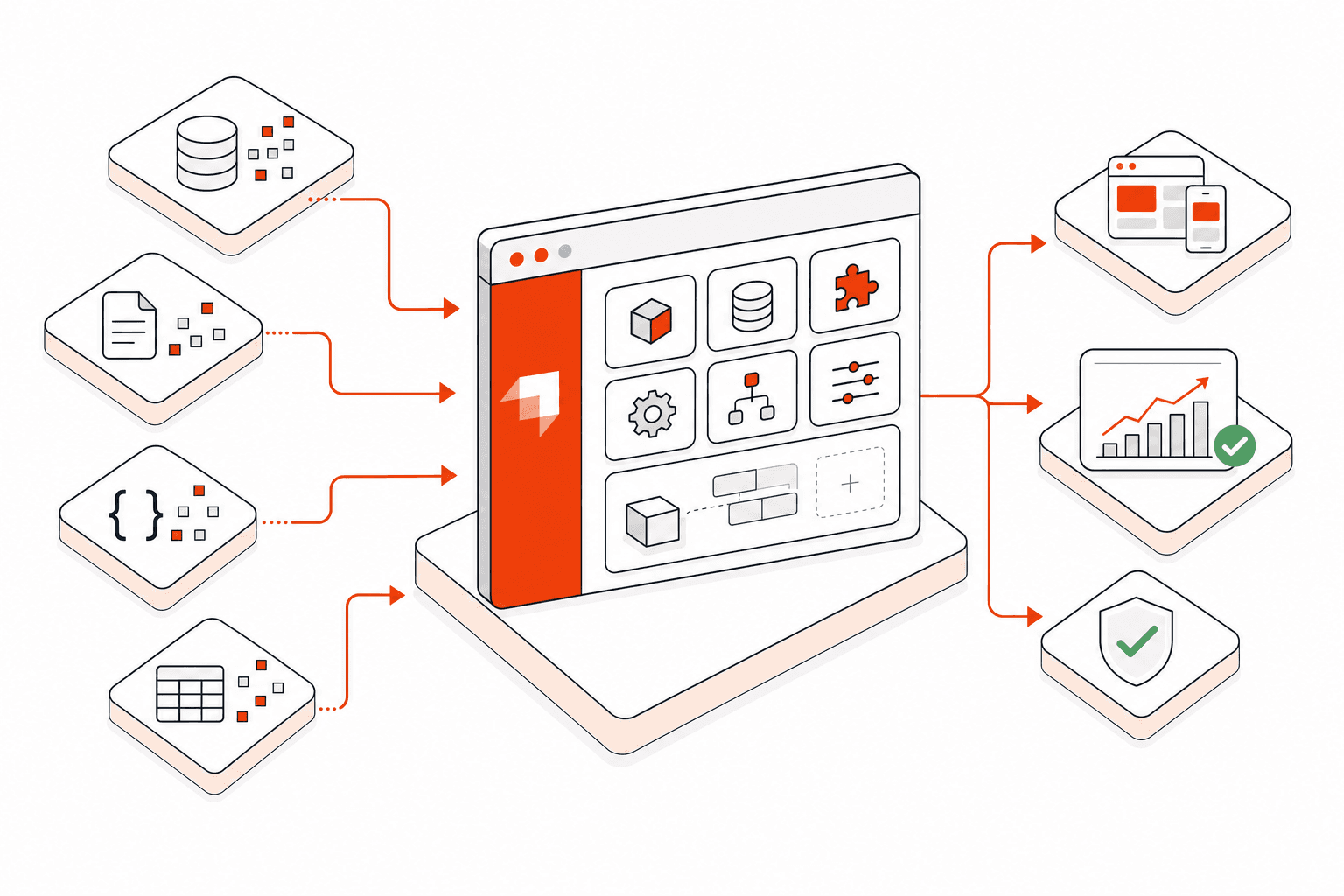
We select the architecture after assessing editors, content consumers, security boundaries, integrations, traffic and operational responsibilities.
Structured content architecture
Collection types, single types, components, relations and dynamic zones are chosen according to reuse and editorial needs. We avoid unnecessary schema depth that makes publishing and APIs harder to maintain.
REST or GraphQL delivery
REST may suit predictable endpoints and caching, while GraphQL can support more flexible consumer queries. We define contracts, authentication, filtering, pagination and error behaviour around actual frontend or product needs.
Frontend publishing behaviour
Strapi can integrate with Next.js, React or an existing consumer. Preview, server rendering, revalidation and cache invalidation are planned together so published changes appear reliably without unnecessary rebuilds.
Permissions and integrations
Admin roles, public APIs, preview routes, service accounts and webhooks follow least-privilege access. Retry handling, ownership and monitoring are defined for critical CRM, DAM, search and automation connections.
Hosting and production operations
Strapi Cloud and self-hosted Strapi are assessed separately based on control, compliance, cost and operational capacity. Environments, databases, media storage, secrets, CI/CD, backups and observability support dependable operation.
Replace CMS bottlenecks with clear technical ownership
Strapi projects often stall when content architecture, frontend work, integrations and operations are split across disconnected teams. Marketers wait on engineering, content models drift, and migration, permissions and SEO responsibilities lack clear owners.
An embedded team for continuous Strapi delivery
Access developers, a technical project manager and marketing-technology expertise without coordinating separate freelancers or building every capability internally.
Subscribe and assemble the team
We align the required developers, technical project manager and marketing-technology expert to your priorities. You gain flexible access to the capabilities needed for the current stage.
Prioritise work in ClickUp
Requirements, tasks, decisions and progress are organised in a shared ClickUp board. Codalent AI can assist research, planning and documentation, with human review and ownership throughout.
Collaborate through Slack and calls
A dedicated Slack channel and weekly cadence calls keep your marketing, product and technical stakeholders aligned. Questions and changing priorities reach the responsible team directly.
Deliver, review and improve
We implement, test, document and review work in a transparent cadence, then reprioritise the backlog. This supports ongoing releases, maintenance and improvement rather than a difficult project handover.
Planning a new Strapi build, migration or upgrade?
Tell us whether you are implementing Strapi, migrating from another CMS, upgrading v4 to v5 or improving an existing setup. We will discuss your content operations, current stack and immediate priorities.
Strapi development FAQs
What is included in Strapi development services?
The scope can cover discovery, content modelling, Strapi configuration, roles and permissions, APIs, frontend integration, custom extensions, migrations, upgrades, infrastructure, testing, documentation and ongoing support. We agree the specific backlog according to your current platform, team and publishing requirements.
Can Codalent work with our existing Strapi or frontend implementation?
Yes. We begin by reviewing the current schema, custom code, plugins, APIs, frontend behaviour, environments and operational responsibilities. The assessment identifies what should be retained, corrected or replaced before development priorities and estimates are agreed.
Can you migrate another CMS to Strapi while protecting SEO?
We plan content and media mapping, metadata, URL rules, redirects, canonical behaviour and sitemap inputs. Test migrations, reconciliation checks, a cutover runbook and post-launch monitoring help manage risk. We do not treat migration as a simple export-and-import task.
Can you upgrade Strapi v4 to v5?
Yes, subject to an audit. Strapi v5 can affect custom backend code, plugins, API clients, data structures and deployment processes. We assess these dependencies, follow the official migration approach in non-production environments and validate critical content and consumer paths before cutover.
Should we use REST, GraphQL or both?
The choice depends on API consumers, query complexity, caching, security, team skills and existing architecture. We avoid adding both without a clear need. Whichever approach is selected, we document contracts, authentication boundaries, expected queries and error behaviour.
Should we self-host Strapi or use Strapi Cloud?
We compare operational capacity, compliance, control, support and cost before recommending an approach. Strapi CMS licensing and Strapi Cloud hosting are separate considerations, and some premium CMS capabilities may depend on the selected plan.
How are tasks prioritised and requirements changed?
Work is maintained in the shared ClickUp board and reviewed through Slack and weekly cadence calls. Your team can adjust priorities as campaigns, product plans or technical findings change. The technical project manager keeps dependencies, decisions and delivery status visible.
Who owns the completed work?
Code ownership, repository access, infrastructure credentials, documentation and handover expectations are made explicit in the engagement. We work within agreed client systems where appropriate and avoid making ongoing support depend on undocumented knowledge held only by Codalent.
Plan a Strapi platform your team can operate
Tell us about your content workflows, existing stack and current bottlenecks. We will use the conversation to clarify the appropriate implementation, migration or support scope.
No prepared technical specification is required for the first conversation.