All case studies
Case Study

Rebuilding CrowdSec’s Website with Next.js and Headless WordPress.

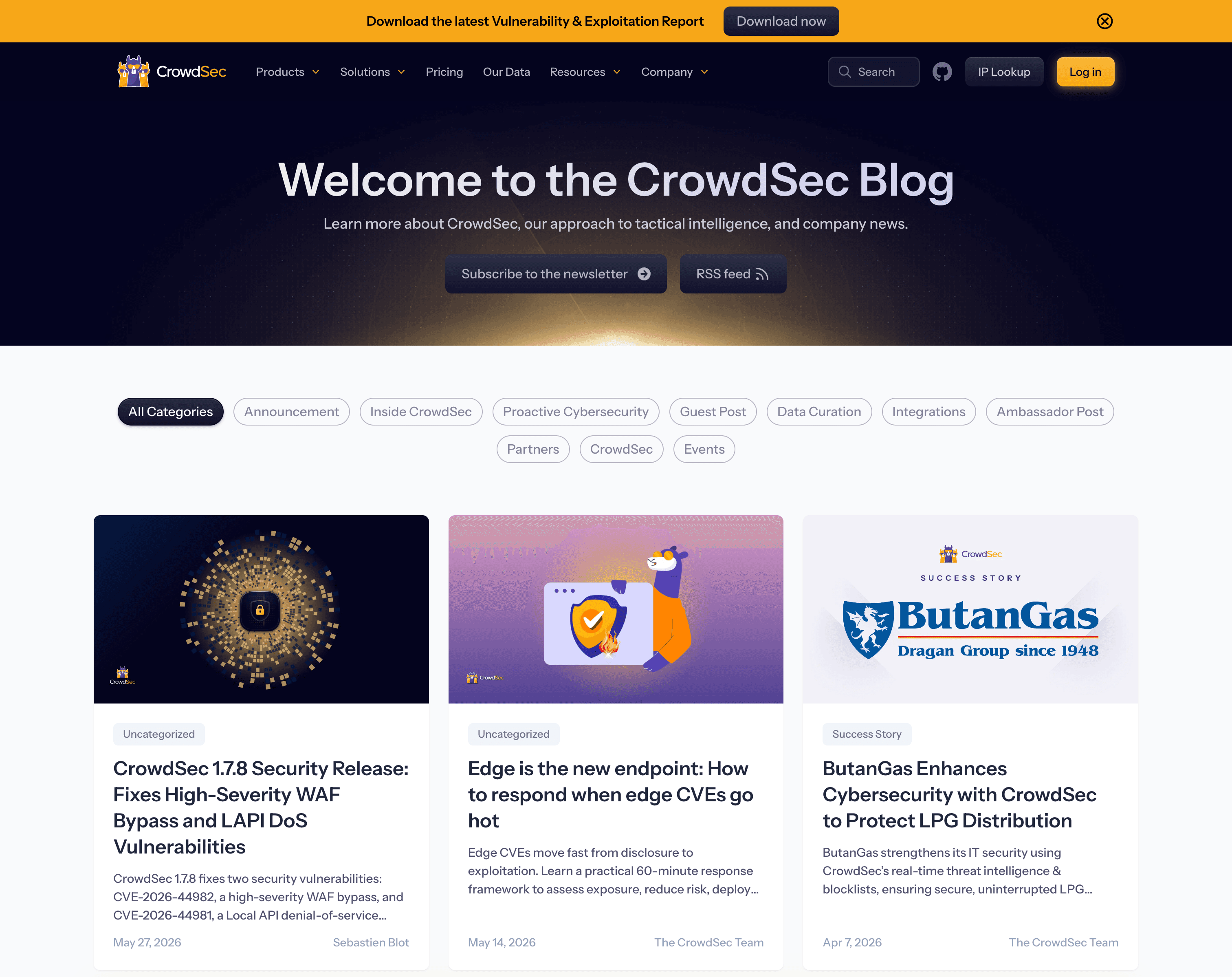
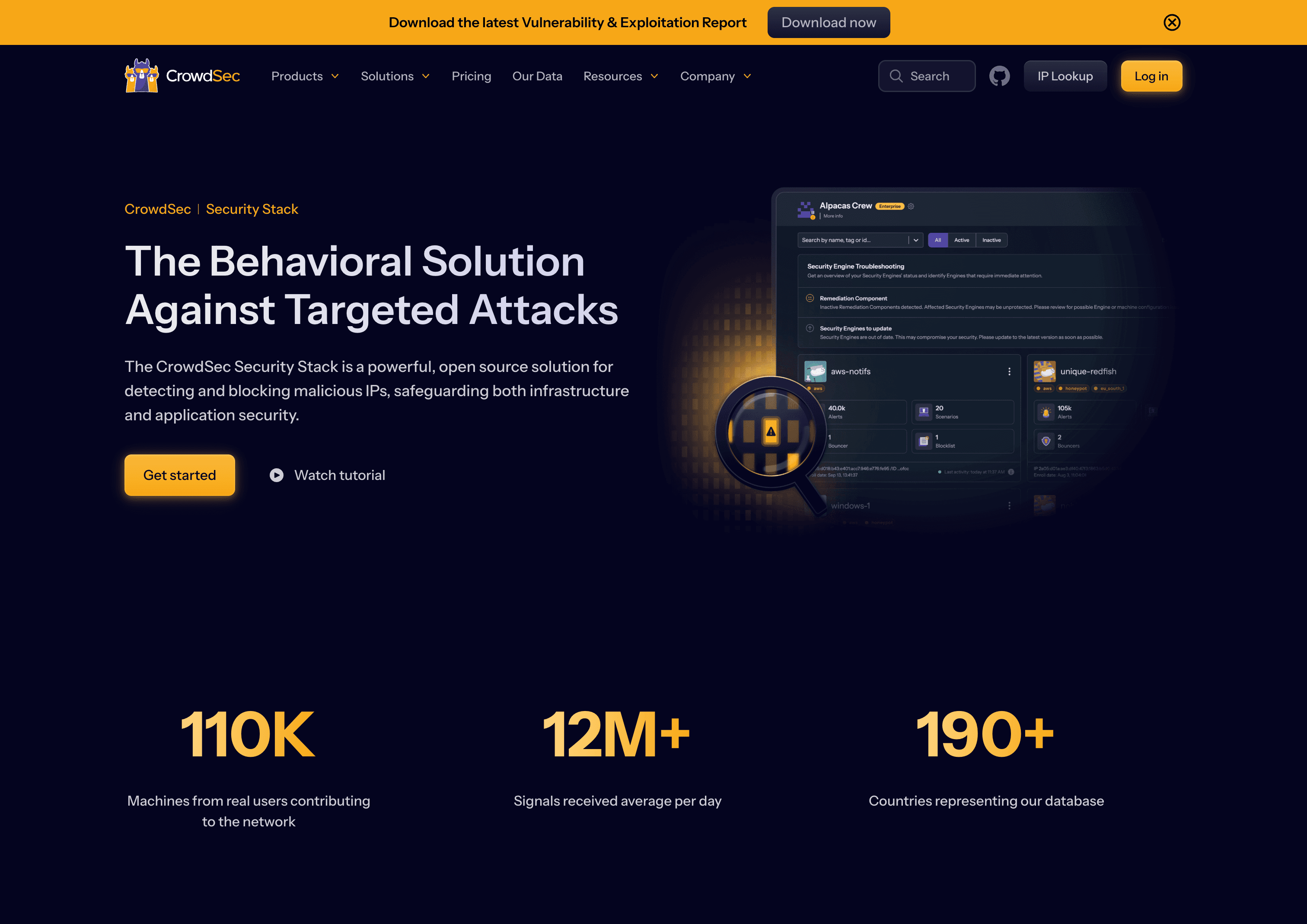
CrowdSec had outgrown Webflow. We helped them move to a Next.js frontend with headless WordPress, giving their marketing team CMS flexibility while keeping design, performance, SEO, and structured data under developer-controlled guardrails.

Last updated on June 2, 2026First published at May 28, 2026
ClientCrowdSec
Year2024Ongoing
IndustryCybersecurity
ServicesNext.js Development · Headless CMS · WordPress
crowdsec.net
Overview

A faster website platform with stronger governance.

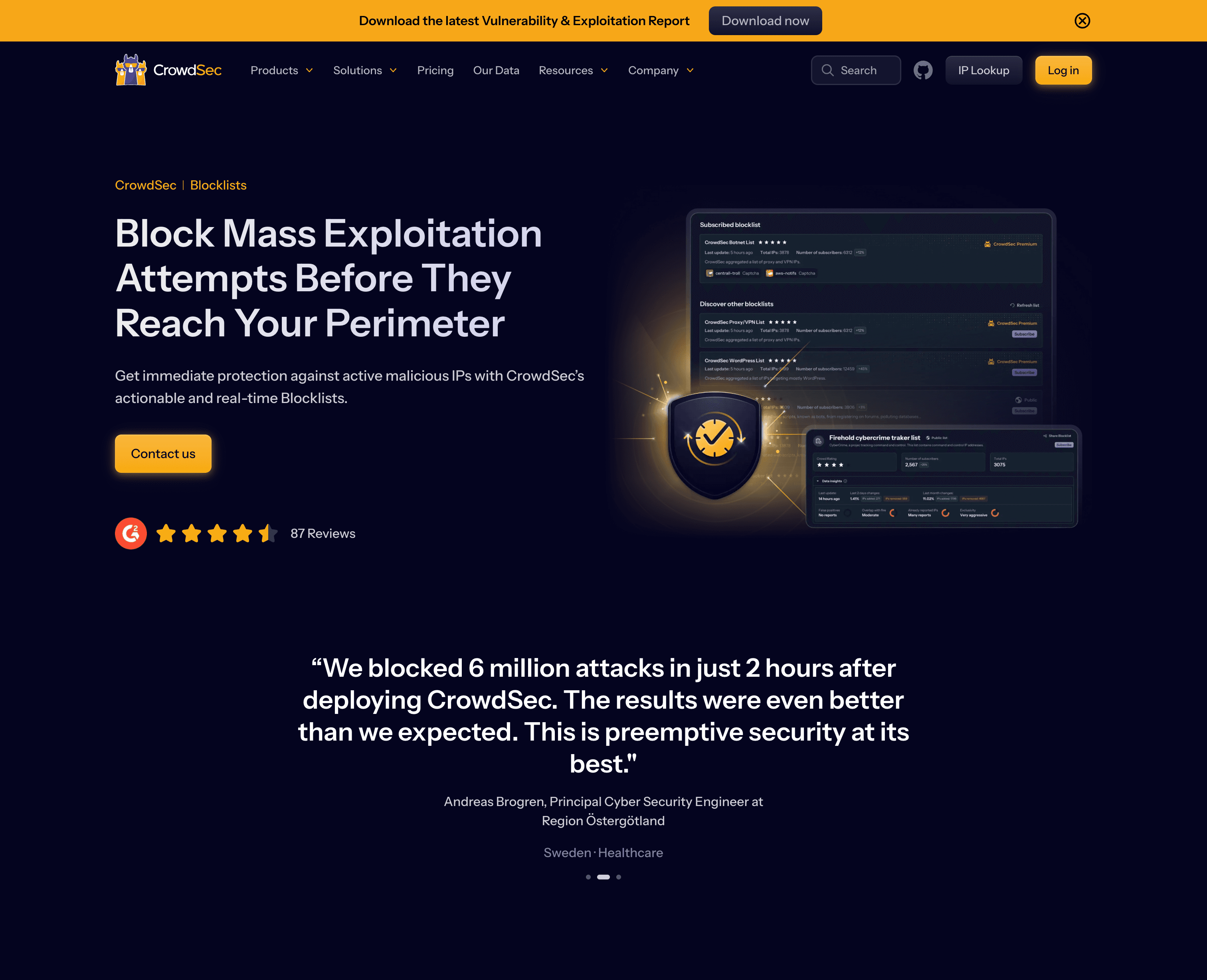
CrowdSec is a collaborative cybersecurity platform built around crowd-powered threat intelligence and an open-source security engine. Their marketing website needed to support a growing product story, advanced SEO requirements, and a higher bar for speed and maintainability.

The existing Webflow setup had become difficult to govern. Since many users could freely edit pages and styles, the site was drifting away from the approved design system. Layouts became inconsistent, reusable patterns broke down, and every new page carried the risk of visual misalignment.

Codalent rebuilt the site using Next.js and headless WordPress. The result was a coded frontend with a proper component system, paired with a CMS experience that still let the CrowdSec marketing team create and manage content without depending on developers for everyday updates.

Before

A website that was becoming harder to control

Webflow gave the team speed early on, but over time the freedom to edit styles and layouts created inconsistencies across the site. The marketing team needed flexibility, but the design team needed stronger governance.

  • Freely editable page styling made visual consistency difficult to protect.
  • Reusable design patterns were drifting as more people updated pages.
  • Advanced SEO, structured schema, and customization needs were pushing beyond the platform.
After

A component-led website marketing could actually use

With WordPress as a headless CMS and Next.js as the frontend, CrowdSec got the best of both worlds: a fast, structured, developer-controlled website with editable content and reusable page-building tools for marketing.

  • A Next.js frontend for speed, maintainability, and technical SEO control.
  • A familiar WordPress editorial workflow for day-to-day marketing updates.
  • A coded design system that keeps layout, styling, and responsiveness under approved guardrails.
Flexible Pages

A CMS that could build landing pages, without breaking the design.

We implemented Flexible Layouts in WordPress using ACF. Each editable block in WordPress mapped to a corresponding React component in the Next.js codebase.

This gave CrowdSec’s marketing team a library of approved components they could use to assemble landing pages, product pages, and campaign pages. They could edit the fields that were meant to be editable, while spacing, layout, responsiveness, and visual styling stayed locked inside the coded design system.

Tech Stack

Built with tools the team can keep using.

The stack paired a fast, governed frontend with a CMS workflow the marketing team already understood.

Next.js iconNext.js
React iconReact
WordPress iconWordPress
AACF
HubSpot iconHubSpot
Algolia iconAlgolia
Website Architecture

Next.js on the front. WordPress behind the scenes.

The frontend was built in Next.js to improve performance, scalability, and developer control. WordPress was used in headless mode, giving the marketing team a familiar editorial interface while keeping the public website fast and structured.

At build time, content and flexible layouts from WordPress were pulled into the Next.js application and rendered as production-ready pages. This reduced the need for developers to manually build routine landing pages while still preserving code quality and brand consistency.

Design Implementation

A brand-new design, implemented as a real system.

CrowdSec provided the new website design, and Codalent translated it into a reusable frontend system. Instead of recreating one-off pages, we built the design as a set of structured components that could scale across the site.

This helped keep visual consistency intact as the website grew. Marketing could move quickly, but every page still inherited the same design rules, responsive behavior, and production standards.

SEO And Performance

Built for search, speed, and the next wave of discovery.

The move from Webflow to Next.js gave CrowdSec more control over technical SEO, page performance, metadata, and structured schema. The new platform was designed to support richer SEO implementation and make it easier to customize schema for different page types.

The architecture also gave CrowdSec a stronger foundation for LLM visibility, with more control over structured content, reusable page patterns, and how information is exposed across the site.

Results

Core Web Vitals passed on desktop.

A PageSpeed Insights desktop report for crowdsec.net on May 28, 2026 showed the site passing Core Web Vitals with strong real-user performance across the key metrics.

1s
Largest Contentful Paint (LCP)
57ms
Interaction to Next Paint (INP)
0
Cumulative Layout Shift (CLS)
1s
First Contentful Paint (FCP)
01

Core Web Vitals assessment passed

The PageSpeed Insights desktop report for crowdsec.net showed a passed Core Web Vitals assessment on May 28, 2026.

02

0.4s Time to First Byte

The report also showed Time to First Byte at 0.4s, giving the site a strong server-response baseline for fast page delivery.

03

Fast desktop experience

The measured desktop experience remained comfortably in the green across LCP, INP, CLS, FCP, and TTFB.

Five stars – just because it's not possible to give more.
C
CrowdSec
More Work

Other case studies you may like

Ready to Work with Us?

Book a free consultation call to discuss your project and see if we'd be a good fit for your organization.